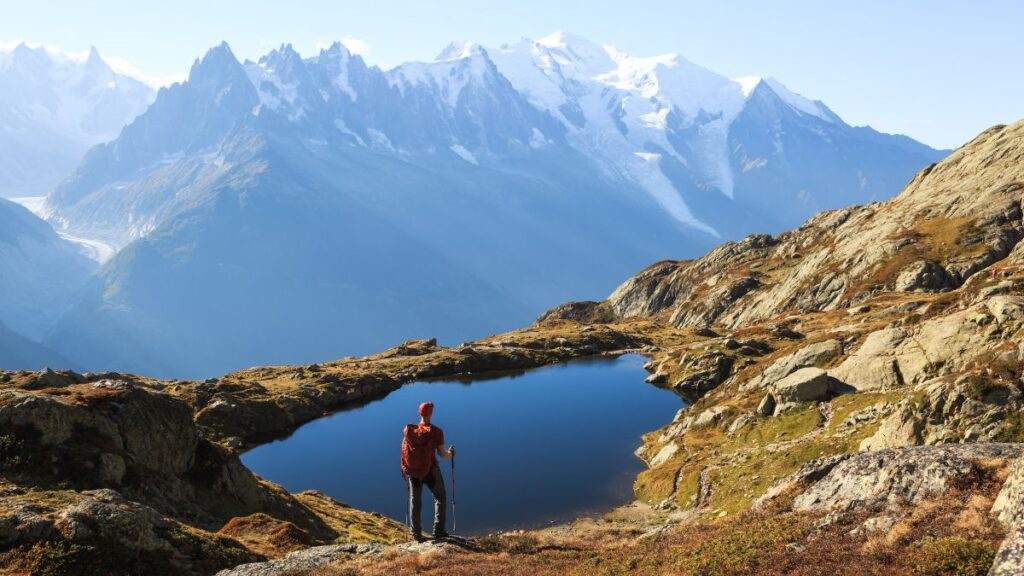
Mountain trekking routes attract adventure seekers, nature lovers, and outdoor enthusiasts from around the world. From the towering peaks of the Himalayas to the rugged terrain of the Andes, trekking routes offer breathtaking landscapes, cultural encounters, and unforgettable experiences. Whether you are an experienced trekker or a beginner looking to explore nature, understanding the best mountain trekking routes and how to prepare for them can greatly enhance your adventure.
This comprehensive guide explores famous mountain trekking routes, essential trekking preparation tips, safety considerations, and how modern navigation tools can enhance trekking experiences.
What Are Mountain Trekking Routes?
Mountain trekking routes are established trails that lead hikers through mountainous terrain. These routes can vary in difficulty, distance, altitude, and terrain. Some trails take just a few hours to complete, while others may require weeks of trekking through remote wilderness.
Many of the world’s most iconic trekking routes pass through protected areas such as UNESCO World Heritage Sites or national parks like Sagarmatha National Park and Torres del Paine National Park.
Trekking routes are typically categorized based on several factors:
- Difficulty level
- Altitude
- Climate conditions
- Trail length
- Required permits
Understanding these factors helps trekkers choose the most suitable route according to their experience and physical fitness.
Famous Mountain Trekking Routes Around the World
1. Everest Base Camp Trek
One of the most famous trekking routes in the world is the trek to Everest Base Camp located near the legendary peak of Mount Everest.
This trekking route lies in the Khumbu Region and typically takes 12 to 14 days to complete. Trekkers pass through Sherpa villages such as Namche Bazaar while enjoying views of peaks like Lhotse and Ama Dablam.
Key Highlights
- Scenic Himalayan views
- Unique Sherpa culture
- Buddhist monasteries like Tengboche Monastery
2. Inca Trail to Machu Picchu
The historic Inca Trail leads hikers through ancient ruins and cloud forests before reaching the iconic citadel of Machu Picchu.
Built by the Inca Civilization, the trail covers approximately 42 kilometers and takes about four days to complete.
Key Highlights
- Ancient Incan ruins
- High mountain passes such as Dead Woman’s Pass
- Stunning views of the Andes Mountains
3. Tour du Mont Blanc
The Tour du Mont Blanc is one of Europe’s most famous trekking routes. It circles the massive Mont Blanc and crosses three countries: France, Italy, and Switzerland.
The trail spans around 170 kilometers and usually takes 10 to 12 days to complete.
Key Highlights
- Alpine meadows and glaciers
- Charming mountain villages
- Panoramic views of the Alps
4. Annapurna Circuit
Another legendary trek in the Himalayas is the Annapurna Circuit.
This route circles the Annapurna Massif and offers diverse landscapes ranging from subtropical forests to high-altitude deserts.
The most challenging section of the trek is crossing the Thorong La Pass, which sits at an altitude of 5,416 meters.
Key Highlights
- Diverse ecosystems
- Cultural villages in the Manang Valley
- Views of peaks like Annapurna I
5. Torres del Paine W Trek
Located in Chile, the W Trek is one of the most spectacular trekking routes in Torres del Paine National Park.
The route is named for its W-shaped path through the park and usually takes 4 to 5 days to complete.
Key Highlights
- Granite towers known as Torres del Paine
- Glacier views including Grey Glacier
- Pristine Patagonian wilderness
Essential Preparation for Mountain Trekking Routes
Preparing for mountain trekking routes requires careful planning and physical readiness.
Physical Fitness
Trekkers should build endurance through activities such as:
- Long-distance hiking
- Running
- Cycling
- Strength training
High-altitude treks like those in the Himalayas require additional acclimatization to prevent altitude sickness.
Trekking Gear
Proper equipment is crucial for safety and comfort on mountain trails.
Essential trekking gear includes:
- High-quality hiking boots from brands like Salomon and The North Face
- Navigation devices such as Garmin GPS units
- Weatherproof clothing from Patagonia
Other necessary gear includes trekking poles, sleeping bags, and hydration systems.
Permits and Regulations
Many popular mountain trekking routes require permits issued by local authorities or park administrations.
For example:
- Trekking in Sagarmatha National Park requires a trekking permit from the Nepal Tourism Board.
- Access to the Inca Trail is limited by permits regulated by the Peru Ministry of Culture.
Obtaining permits in advance is important because many routes limit the number of daily trekkers to protect the environment.
Safety Considerations for Mountain Trekking
Safety should always be a priority when exploring mountain trekking routes.
Altitude Sickness
High-altitude trekking routes may expose hikers to Acute Mountain Sickness.
Symptoms include:
- Headaches
- Nausea
- Dizziness
Trekkers should ascend gradually and stay hydrated to reduce the risk.
Weather Conditions
Mountain weather can change rapidly. Even experienced climbers on peaks like K2 and Mount Kilimanjaro must prepare for extreme temperature shifts.
Checking weather forecasts and carrying proper gear is essential.
Navigation Tools
Modern trekking often relies on digital navigation platforms.
Popular trekking apps include:
- AllTrails
- Komoot
- Gaia GPS
These apps help trekkers track routes, monitor elevation, and avoid getting lost.
Sustainable Trekking Practices
With the growing popularity of mountain trekking routes, environmental sustainability has become increasingly important.
Organizations such as Leave No Trace Center for Outdoor Ethics promote responsible trekking practices.
Key principles include:
- Carrying out all waste
- Staying on marked trails
- Respecting wildlife
- Supporting local communities
Sustainable trekking helps preserve natural environments for future generations.
The Future of Mountain Trekking Routes
Technology and tourism development are shaping the future of mountain trekking routes. Advances in satellite mapping, GPS tracking, and eco-tourism initiatives are making trekking more accessible and safer.
Outdoor organizations like the International Climbing and Mountaineering Federation continue to promote safety standards and environmental conservation.
Meanwhile, new trekking destinations are emerging in regions such as Central Asia and Patagonia, offering fresh opportunities for adventure travelers.
Conclusion
Mountain trekking routes offer some of the most rewarding outdoor experiences available. From the historic pathways of the Inca Trail to the towering peaks surrounding Everest Base Camp, these trails combine natural beauty, cultural heritage, and physical challenge.
By choosing the right route, preparing properly, and practicing responsible trekking, adventurers can safely explore some of the world’s most spectacular mountain landscapes. As trekking continues to grow in popularity, preserving these routes through sustainable practices will remain essential for protecting the planet’s most extraordinary mountain environments.
Leave a Reply