Home Automation Security: A Complete Guide to Protecting Smart Homes

Home Automation Security: A Complete Guide to Protecting Smart Homes Home automation has rapidly transformed modern living by integrating smart devices, intelligent sensors, and automated systems into everyday household activities. From controlling lights and thermostats to managing door locks and surveillance cameras, smart home technology provides convenience, efficiency, and control. However, as more devices become connected to the internet, security becomes a critical concern. Home Automation Security focuses on protecting smart homes from cyber threats, unauthorized access, and privacy risks. This comprehensive guide explores the importance of home automation security, common vulnerabilities, best practices, technologies involved, and how homeowners can create a safe and reliable smart home environment. Understanding Home Automation Security Home automation security refers to the strategies, technologies, and practices used to protect connected home devices and networks from cyberattacks, hacking attempts, and unauthorized access. Smart homes rely on Internet of Things (IoT) devices such as smart locks, cameras, motion sensors, thermostats, and voice assistants that communicate through Wi-Fi or other wireless protocols. While these devices improve comfort and convenience, they also introduce potential security vulnerabilities. If not properly protected, attackers can gain access to personal data, monitor activities, or control devices remotely. The goal of home automation security is to ensure that all connected systems operate safely while maintaining user privacy and data integrity. The Rise of Smart Homes Smart homes have grown significantly in recent years due to advancements in IoT technology and affordable connected devices. Many homeowners now use automation systems for: Lighting control Climate management Smart security cameras Door locks and access control Voice-activated assistants Entertainment systems Energy monitoring These technologies allow users to manage their homes through smartphone apps or voice commands. However, increased connectivity means more entry points for potential cyber threats. Common Security Risks in Home Automation Understanding the risks associated with smart homes is essential for building an effective security strategy. Weak Passwords Many users keep default passwords on their smart devices or use weak credentials. Hackers can easily exploit these vulnerabilities through brute-force attacks or credential stuffing. Unsecured Wi-Fi Networks An unsecured wireless network allows unauthorized individuals to intercept communication between devices and gain access to smart home systems. Outdated Firmware Manufacturers frequently release firmware updates to fix security vulnerabilities. Devices running outdated software are more susceptible to exploitation. Lack of Encryption Some low-cost smart devices lack proper encryption protocols, making it easier for attackers to intercept data transmissions. Device Vulnerabilities Certain IoT devices may contain software flaws or poorly designed security frameworks that attackers can exploit. Key Components of a Secure Smart Home A robust home automation security system includes multiple layers of protection designed to safeguard devices, networks, and data. Secure Network Infrastructure The foundation of home automation security is a strong and secure home network. This includes: Secure Wi-Fi encryption Network segmentation Firewall protection Router security settings Using a dedicated network for smart devices can reduce risks by isolating them from personal computers and sensitive data. Strong Authentication Methods Authentication ensures that only authorized users can access smart home systems. Effective methods include: Strong passwords Two-factor authentication Biometric verification Secure login systems These measures prevent unauthorized individuals from controlling smart home devices. Data Encryption Encryption protects communication between smart devices and control systems. Modern smart homes use encryption protocols to secure data transmissions and prevent interception. Monitoring and Alerts Smart home security systems often include monitoring features that notify homeowners of suspicious activities. Alerts can include: Motion detection notifications Unauthorized login attempts Device tampering alerts System malfunction warnings Real-time alerts allow homeowners to respond quickly to potential threats. Essential Devices for Home Automation Security A secure smart home relies on various devices working together to protect property and personal information. Smart Security Cameras Smart cameras allow homeowners to monitor their property remotely through mobile applications. Many systems include night vision, motion detection, and real-time video streaming. Smart Door Locks Smart locks provide keyless entry and remote access control. Homeowners can lock or unlock doors using smartphones and monitor access history. Motion Sensors Motion sensors detect movement within a home and trigger alarms or notifications when unusual activity occurs. Smart Alarms Connected alarm systems integrate with other smart devices and notify homeowners or monitoring services during emergencies. Smart Doorbells Video doorbells allow homeowners to see and communicate with visitors remotely, improving home security and package protection. Best Practices for Home Automation Security Implementing best practices can significantly improve the security of a smart home environment. Change Default Credentials One of the simplest yet most effective security measures is changing default usernames and passwords for all devices. Use Strong Passwords Create complex passwords that include a combination of letters, numbers, and symbols. Avoid using easily guessable information such as birthdays or names. Enable Two-Factor Authentication Two-factor authentication adds an additional layer of protection by requiring verification beyond a password. Keep Devices Updated Regularly update firmware and software to ensure devices have the latest security patches. Secure the Home Network Use strong Wi-Fi encryption such as WPA3 or WPA2 and regularly update router firmware. Disable Unused Features Disable unnecessary services or features on smart devices to reduce potential attack surfaces. Monitor Device Activity Regularly review device logs and activity history to identify unusual behavior or unauthorized access attempts. Role of Artificial Intelligence in Home Security Artificial intelligence is increasingly used in smart home security systems. AI-powered systems analyze patterns, detect unusual activity, and improve threat detection. For example, intelligent cameras can differentiate between humans, animals, and vehicles, reducing false alarms. AI systems can also learn user behavior patterns and alert homeowners if something unusual occurs. Machine learning algorithms improve security over time by analyzing large datasets and adapting to new threats. Privacy Concerns in Smart Homes In addition to security risks, privacy concerns are another important aspect of home automation systems. Many smart devices collect data such as voice recordings, video footage, and usage patterns. Protecting privacy requires careful device selection and proper configuration. Homeowners should review privacy policies, control data-sharing settings, and ensure that devices store data securely. Limiting access permissions and disabling unnecessary data collection can help protect personal information. Future Trends in Home Automation Security The future of home automation security will likely involve more advanced technologies and stronger security frameworks. Improved IoT Security Standards Governments and technology organizations are developing regulations and security standards for IoT devices to ensure better protection. Blockchain-Based Security Blockchain technology may help secure smart home networks by providing decentralized authentication and tamper-proof transaction records. Advanced Biometric Authentication Future smart homes may rely more heavily on biometric systems such as facial recognition, voice recognition, and fingerprint authentication. Integrated Security Ecosystems Smart home platforms are evolving into fully integrated ecosystems where all devices work together to provide seamless security management. Benefits of Strong Home Automation Security Investing in home automation security offers numerous benefits for homeowners. Protection Against Cyber Threats Strong security measures reduce the risk of hacking, data breaches, and unauthorized device control. Enhanced Physical Safety Integrated security systems help prevent burglary, intrusion, and unauthorized access to property. Increased Convenience Secure smart homes allow users to manage devices remotely while maintaining peace of mind. Improved Property Value Modern homes equipped with secure automation systems often attract buyers and increase property value. Building a Secure Smart Home Strategy Developing a home automation security strategy involves several key steps: Assess the current smart home environment. Identify potential vulnerabilities. Implement strong security measures. Monitor system performance and activity. Regularly update devices and software. Homeowners should also consider choosing reputable device manufacturers that prioritize security and provide ongoing software updates. Conclusion Home automation technology continues to revolutionize modern living, offering convenience, efficiency, and improved lifestyle management. However, the increasing number of connected devices introduces new security challenges that cannot be ignored. By implementing strong passwords, securing home networks, updating device firmware, and using reliable smart security devices, homeowners can significantly reduce risks. A well-designed home automation security system protects both digital and physical aspects of the home while ensuring privacy and peace of mind. As smart home technology continues to evolve, security will remain a critical component of safe and reliable home automation systems. Homeowners who prioritize security today will be better prepared for the connected homes of the future.

Home automation has rapidly transformed modern living by integrating smart devices, intelligent sensors, and automated systems into everyday household activities. From controlling lights and thermostats to managing door locks and surveillance cameras, smart home technology provides convenience, efficiency, and control. However, as more devices become connected to the internet, security becomes a critical concern. Home Automation Security focuses on protecting smart homes from cyber threats, unauthorized access, and privacy risks.

This comprehensive guide explores the importance of home automation security, common vulnerabilities, best practices, technologies involved, and how homeowners can create a safe and reliable smart home environment.


Understanding Home Automation Security

Home automation security refers to the strategies, technologies, and practices used to protect connected home devices and networks from cyberattacks, hacking attempts, and unauthorized access. Smart homes rely on Internet of Things (IoT) devices such as smart locks, cameras, motion sensors, thermostats, and voice assistants that communicate through Wi-Fi or other wireless protocols.

While these devices improve comfort and convenience, they also introduce potential security vulnerabilities. If not properly protected, attackers can gain access to personal data, monitor activities, or control devices remotely.

The goal of home automation security is to ensure that all connected systems operate safely while maintaining user privacy and data integrity.


The Rise of Smart Homes

Smart homes have grown significantly in recent years due to advancements in IoT technology and affordable connected devices. Many homeowners now use automation systems for:

  • Lighting control
  • Climate management
  • Smart security cameras
  • Door locks and access control
  • Voice-activated assistants
  • Entertainment systems
  • Energy monitoring

These technologies allow users to manage their homes through smartphone apps or voice commands. However, increased connectivity means more entry points for potential cyber threats.


Common Security Risks in Home Automation

Understanding the risks associated with smart homes is essential for building an effective security strategy.

Weak Passwords

Many users keep default passwords on their smart devices or use weak credentials. Hackers can easily exploit these vulnerabilities through brute-force attacks or credential stuffing.

Unsecured Wi-Fi Networks

An unsecured wireless network allows unauthorized individuals to intercept communication between devices and gain access to smart home systems.

Outdated Firmware

Manufacturers frequently release firmware updates to fix security vulnerabilities. Devices running outdated software are more susceptible to exploitation.

Lack of Encryption

Some low-cost smart devices lack proper encryption protocols, making it easier for attackers to intercept data transmissions.

Device Vulnerabilities

Certain IoT devices may contain software flaws or poorly designed security frameworks that attackers can exploit.


Key Components of a Secure Smart Home

A robust home automation security system includes multiple layers of protection designed to safeguard devices, networks, and data.

Secure Network Infrastructure

The foundation of home automation security is a strong and secure home network. This includes:

  • Secure Wi-Fi encryption
  • Network segmentation
  • Firewall protection
  • Router security settings

Using a dedicated network for smart devices can reduce risks by isolating them from personal computers and sensitive data.

Strong Authentication Methods

Authentication ensures that only authorized users can access smart home systems. Effective methods include:

  • Strong passwords
  • Two-factor authentication
  • Biometric verification
  • Secure login systems

These measures prevent unauthorized individuals from controlling smart home devices.

Data Encryption

Encryption protects communication between smart devices and control systems. Modern smart homes use encryption protocols to secure data transmissions and prevent interception.

Monitoring and Alerts

Smart home security systems often include monitoring features that notify homeowners of suspicious activities. Alerts can include:

  • Motion detection notifications
  • Unauthorized login attempts
  • Device tampering alerts
  • System malfunction warnings

Real-time alerts allow homeowners to respond quickly to potential threats.


Essential Devices for Home Automation Security

A secure smart home relies on various devices working together to protect property and personal information.

Smart Security Cameras

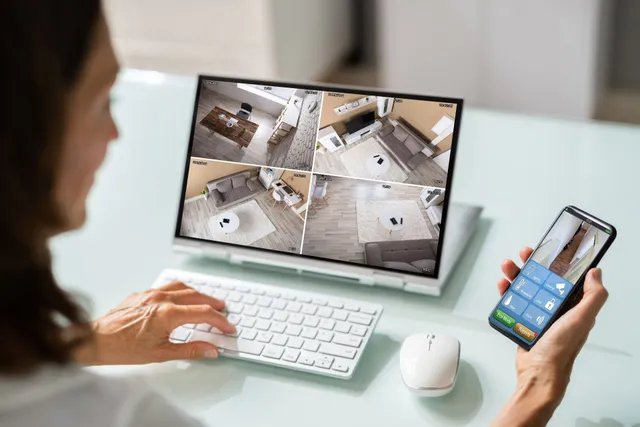
Smart cameras allow homeowners to monitor their property remotely through mobile applications. Many systems include night vision, motion detection, and real-time video streaming.

Smart Door Locks

Smart locks provide keyless entry and remote access control. Homeowners can lock or unlock doors using smartphones and monitor access history.

Motion Sensors

Motion sensors detect movement within a home and trigger alarms or notifications when unusual activity occurs.

Smart Alarms

Connected alarm systems integrate with other smart devices and notify homeowners or monitoring services during emergencies.

Smart Doorbells

Video doorbells allow homeowners to see and communicate with visitors remotely, improving home security and package protection.


Best Practices for Home Automation Security

Implementing best practices can significantly improve the security of a smart home environment.

Change Default Credentials

One of the simplest yet most effective security measures is changing default usernames and passwords for all devices.

Use Strong Passwords

Create complex passwords that include a combination of letters, numbers, and symbols. Avoid using easily guessable information such as birthdays or names.

Enable Two-Factor Authentication

Two-factor authentication adds an additional layer of protection by requiring verification beyond a password.

Keep Devices Updated

Regularly update firmware and software to ensure devices have the latest security patches.

Secure the Home Network

Use strong Wi-Fi encryption such as WPA3 or WPA2 and regularly update router firmware.

Disable Unused Features

Disable unnecessary services or features on smart devices to reduce potential attack surfaces.

Monitor Device Activity

Regularly review device logs and activity history to identify unusual behavior or unauthorized access attempts.


Role of Artificial Intelligence in Home Security

Artificial intelligence is increasingly used in smart home security systems. AI-powered systems analyze patterns, detect unusual activity, and improve threat detection.

For example, intelligent cameras can differentiate between humans, animals, and vehicles, reducing false alarms. AI systems can also learn user behavior patterns and alert homeowners if something unusual occurs.

Machine learning algorithms improve security over time by analyzing large datasets and adapting to new threats.


Privacy Concerns in Smart Homes

In addition to security risks, privacy concerns are another important aspect of home automation systems. Many smart devices collect data such as voice recordings, video footage, and usage patterns.

Protecting privacy requires careful device selection and proper configuration. Homeowners should review privacy policies, control data-sharing settings, and ensure that devices store data securely.

Limiting access permissions and disabling unnecessary data collection can help protect personal information.


Future Trends in Home Automation Security

The future of home automation security will likely involve more advanced technologies and stronger security frameworks.

Improved IoT Security Standards

Governments and technology organizations are developing regulations and security standards for IoT devices to ensure better protection.

Blockchain-Based Security

Blockchain technology may help secure smart home networks by providing decentralized authentication and tamper-proof transaction records.

Advanced Biometric Authentication

Future smart homes may rely more heavily on biometric systems such as facial recognition, voice recognition, and fingerprint authentication.

Integrated Security Ecosystems

Smart home platforms are evolving into fully integrated ecosystems where all devices work together to provide seamless security management.


Benefits of Strong Home Automation Security

Investing in home automation security offers numerous benefits for homeowners.

Protection Against Cyber Threats

Strong security measures reduce the risk of hacking, data breaches, and unauthorized device control.

Enhanced Physical Safety

Integrated security systems help prevent burglary, intrusion, and unauthorized access to property.

Increased Convenience

Secure smart homes allow users to manage devices remotely while maintaining peace of mind.

Improved Property Value

Modern homes equipped with secure automation systems often attract buyers and increase property value.


Building a Secure Smart Home Strategy

Developing a home automation security strategy involves several key steps:

  1. Assess the current smart home environment.
  2. Identify potential vulnerabilities.
  3. Implement strong security measures.
  4. Monitor system performance and activity.
  5. Regularly update devices and software.

Homeowners should also consider choosing reputable device manufacturers that prioritize security and provide ongoing software updates.


Conclusion

Home automation technology continues to revolutionize modern living, offering convenience, efficiency, and improved lifestyle management. However, the increasing number of connected devices introduces new security challenges that cannot be ignored.

By implementing strong passwords, securing home networks, updating device firmware, and using reliable smart security devices, homeowners can significantly reduce risks. A well-designed home automation security system protects both digital and physical aspects of the home while ensuring privacy and peace of mind.

As smart home technology continues to evolve, security will remain a critical component of safe and reliable home automation systems. Homeowners who prioritize security today will be better prepared for the connected homes of the future.

Comments

Leave a Reply

Your email address will not be published. Required fields are marked *